Top Home Safety Solutions for a Safer Life
Wed, Dec 03, 2025
Home is more than just a shelter from the elements; it's a haven where we can relax, grow, and find security. However, even the safest home can face unexpected risks if we neglect key safety measures. So, how can we better protect this most important place?
In this guide, you'll find practical and reliable home safety solutions, from fire and carbon monoxide protection to home safety tips and daily safety habits, to help you create a safer living environment for yourself and your family.
Home Fire Safety Solutions
Fire is one of the most common safety hazards in the home, causing injury, death, and property damage in a short period of time. Fortunately, this disaster is often preventable with proper preventative measures.
Main Sources of Home Fires
To prevent home fires, we first need to understand their main sources:
1. Cooking Fires
The kitchen is the most frequent area for home fires, and cooking fires are the most common cause. Careless handling, such as an unattended oil pan, excessively hot oil, spilled food, or flammable materials near an open flame, can quickly ignite a fire, which can spread rapidly within seconds.
2. Heating Equipment
During cold seasons, heaters, fireplaces, and electric heaters are often high-risk sources of home fires. Placing equipment too close to flammable materials, scattered blankets or clothing, aging or malfunctioning equipment, and even poor ventilation can all cause a fire in a short time.
3. Electrical Hazards
Old wiring, overloaded sockets, damaged plugs, and short circuits are easily overlooked but extremely dangerous fire hazards. Especially at night or when unattended, these types of fires tend to spread much faster.
4. Candles
While candles can create a warm atmosphere, they can easily become a source of fire if not carefully watched. If candles are left unattended or placed near flammable materials such as curtains or tissues, they can easily start a fire.
5. Children Playing with Fire
Children's curiosity about flames often exceeds adults' imagination. If they come into contact with lighters, matches, or ignition devices unattended, they may accidentally cause a fire.
6. Smoking
Although smoking is a controllable behavior, its potential dangers are often overlooked. A cigarette butt that is not completely extinguished and falls onto a sofa, bed, or in a trash can can easily start a fire. This risk is even more pronounced and common in homes using furniture made of flammable materials such as fabrics and foam.
Daily Fire Prevention Habits for the Home
- Safe Cooking: Stay focused while cooking, clean up grease residue promptly, and ensure the safety of cookware and equipment.
- Safe Heating: Check the equipment before use and maintain a safe distance of at least one meter from furniture and fabrics.
- Safe Electrical Use: Regularly check the condition of electrical wires, avoid overloading the same socket, and use equipment with safety certifications.
- Safe Candle Use: Use sturdy candlesticks and always extinguish candles when leaving the room.
- Safety Education: Parents should keep lighters, matches, and ignition sources out of reach of children and educate children about the dangers of fire.
- Safe Smoking: Ensure cigarette butts are completely extinguished after smoking and avoid smoking in bed.
Home Fire Prevention Preparation
1. Smoke Detectors
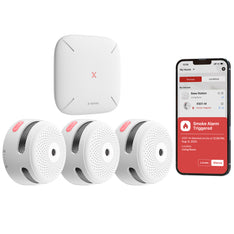
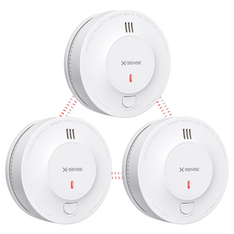
Install reliable smoke detectors on each floor and in key rooms such as bedrooms, children's rooms, and hallways. If the residence is large or there are elderly people or young children in the household, it is best to install smoke detectors with voice and connectivity functions, such as the X-Sense XS0B-MR. This smart smoke detector can accurately detect smoke and issue clear voice alarms to help you locate the source of the fire more quickly. Furthermore, it's interconnected; when one device is triggered, other connected devices will also sound an alarm, alerting the entire family.
smart-wireless-interconnected-smoke-detector
2. Fire Extinguishers and Fire Blankets
Fire extinguishers and fire blankets must be readily available in your home and placed in easily accessible locations, especially near the kitchen and fireplace.
3. Emergency Planning
Design escape routes and conduct fire drills to ensure every family member knows what to do in the event of a fire.

These home fire safety solutions are fundamental to protecting your family from potential disasters.
Carbon Monoxide (CO) Safety Solutions
Carbon monoxide is a colorless, odorless, and non-irritating toxic gas. Once leaked, it is difficult for the human body to detect, easily causing poisoning and even endangering life unknowingly. Therefore, taking precautions against carbon monoxide poisoning is crucial.
Main Sources of Carbon Monoxide
Carbon monoxide is mostly produced by incomplete combustion, so its sources are often closely related to everyday household appliances. The following are the most common sources of CO leaks, and areas that every household should pay close attention to:
1. Gas Water Heaters
If a gas water heater has poor ventilation, a blocked flue, insufficient ventilation, or is old, it will produce a large amount of carbon monoxide during combustion. This is one of the most common and dangerous sources of CO in the home.
2. Fireplaces, Wood Stoves, and Pellet Stoves
When using fireplaces, wood stoves, and pellet stoves, carbon monoxide can flow back into the room if the chimney is clogged, ventilation is insufficient, or fuel combustion is incomplete. The risk is particularly high during winter, when these appliances are frequently used.
3. Household Gas Stoves and Ovens
Abnormal flames (yellow or orange), insufficient airflow, and grease buildup in gas stoves can all cause incomplete combustion, producing CO. Although the amount of carbon monoxide produced is usually less than that from water heaters, accumulation can still cause harm.
4. Vehicle Exhaust
Cars produce a large amount of carbon monoxide when idling. If the garage is connected to the house and poorly ventilated, CO can seep into the house from the garage.
5. Oil or Gas Heating Equipment
Some heating equipment, including portable oil heaters, gas stoves, and diesel generators, will produce CO if combustion is incomplete or if they operate in a confined space.
Starting a generator indoors or in a garage is a serious cause of CO poisoning.
6. Blocked Chimneys or Damaged Exhaust Systems
Chimneys are also a major source of carbon monoxide. Cracked, aged, or blocked chimneys (such as bird nests or leaves) can cause combustion exhaust gases to backflow, leading to CO accumulation indoors.
Daily Safety Tips
Daily habits often determine the baseline of home safety. The following basic behaviors can significantly reduce risks:
- Maintain good ventilation: When using gas appliances, heaters, or fireplaces, always ensure air circulation to reduce the risk of carbon monoxide buildup.
- Clean up grease and debris promptly: Keep the kitchen and areas around heating equipment clean, avoiding the accumulation of grease or flammable materials.
- Store fire sources properly: Keep matches and lighters out of reach of children.
- Turn off appliances before leaving: Never leave appliances unattended while cooking, heating, or using them.
- Regularly check equipment condition: If you notice any unusual odors, crackling sounds, or unstable flames, stop using the equipment immediately and seek professional inspection.
These simple daily habits can build a stronger safety barrier for your home.
Preventative Measures
Beyond daily precautions, more systematic protection can further strengthen home safety, including:
1. Installing High-Quality Carbon Monoxide Detectors
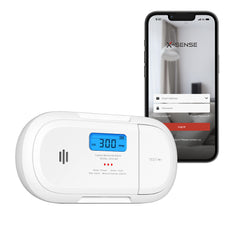
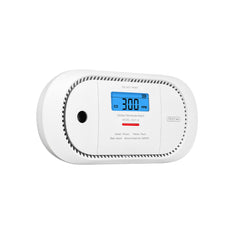
Installing carbon monoxide detectors in key locations such as bedrooms, hallways, and near gas appliances ensures that potential leaks are detected immediately and measures are taken promptly. If you only need to monitor carbon monoxide levels in your home, you can use a portable device like the XC01-R. It can be easily placed in various locations and has a display screen clearly showing CO levels and battery levels, allowing you to monitor your home's situation at any time.
xc01-carbon-monoxide-detector
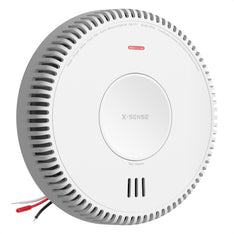
In addition to standalone carbon monoxide detectors, you can also choose a combined smoke and carbon monoxide alarm, such as the SC07-W. This is X-Sense's wireless interconnected combo smoke and CO detector, which can basically connect with other X-Sense Link+ products via the SBS50 to form a comprehensive protective network for your home safety.
sc07-w-wireless-interconnected-combination-smoke-and-carbon-monoxide-detector
2. Professional Inspection and Maintenance
Have a professional inspect your gas water heater, boiler, fireplace, and other appliances at least once a year to ensure that exhaust pipes are clear and combustion is complete.
3. Test and Replace Detectors
Perform a functional test monthly, and replace batteries or devices periodically according to instructions to ensure the detector is always in optimal condition.
4. Enhance Family Members' Safety Awareness
Explain the risks of carbon monoxide, the dangers of fire, and proper escape methods to family members, especially children.
Home Water Leak Safety Solutions
Water leaks can damage furniture and flooring, potentially causing electrical hazards, mold growth, and even affecting the health of family members. Therefore, preventing water leaks is a crucial part of overall home safety management.
Main Sources of Water Leak
Understanding common sources of water leaks helps in taking targeted preventative measures:
- Aging or damaged pipes and fittings
- Faulty household appliances (e.g., washing machine, dishwasher, water heater)
- Clogged drainage systems (blocked drain pipes, drain outlets, or filters)
- Accidental operation or human negligence (e.g., faucets left running, hoses coming loose)
Daily Safety Tips
- Good daily habits can effectively reduce the risk of water leaks:
- Regularly inspect pipes, valves, and fittings, and replace aging or damaged parts promptly.
- Ensure that household appliance pipe connections are correct and secure.
- Keep drains and outlets clear, and clean filters or debris regularly.
- Turn off main water sources when leaving home or going out for extended periods.
Prevention Measures
Technical and managerial measures can further reduce damage caused by water leaks:
1. Install water leak detectors for real-time monitoring in leak-prone areas such as kitchens, bathrooms, washing machines, water heaters, and basements. You can choose a smart water leak alarm like the SWS51, which connects to the Home Security App and sends you real-time messages. It also has connectivity features, allowing it to connect with other X-Sense Link+ products to create a protective network.
sws54-smart-water-leak-detector-kit
2. Smart valve linkages; some systems can automatically shut off the water supply when water is detected.
3. Regular professional inspections; have plumbing professionals inspect the plumbing system and household appliances.
4. Promptly address leaks; immediately shut off valves, clear accumulated water, and repair damaged parts upon discovery of a problem.

Home Security Solutions
Physical security plays a crucial role in a comprehensive home security system. Strengthening physical protection and monitoring measures at home can effectively reduce the risk of intrusion, creating a safer living environment for your family.
1. Door and Window Protection
High-quality door locks, reinforced window hardware, and regular checks of door and window seals are basic but essential security measures. Ensure all entrances are locked before leaving or going to bed, day or night.
2. Monitoring Systems
Installing indoor and outdoor cameras, video doorbells, or surveillance systems allows you to monitor your home at any time. These devices record activity in real time and provide remote viewing capabilities, enabling timely detection of anomalies.
3. Outdoor Lighting
Installing sensor lights or automatic lighting in areas such as yards, corners, and driveways not only improves nighttime visibility but also effectively deters potential intruders and reduces blind spots.
4. Smart Alarms
Modern home security systems are becoming increasingly intelligent. In addition to traditional door and window sensors and motion sensors, modern systems can be equipped with a variety of devices such as smoke detectors, carbon monoxide detectors, water leak detectors, temperature detectors, and thermometers and hygrometers. When these detectors detect smoke, CO, water leaks, or abnormal temperature and humidity, they will immediately issue audible and visual alarms to remind residents to take timely measures to improve home safety and living comfort.

With comprehensive physical protection and timely alarm mechanisms, you can significantly improve the overall security level of your home, making your home a truly safe haven.
Child and Pet Safety
Children and pets are particularly vulnerable to home hazards, so tailored safety measures are essential:
- Childproofing: Cover electrical outlets, secure sharp objects, and store chemicals out of reach.
- Pet safety: Keep electrical cords, small objects, and potential toxins away from pets, and ensure they cannot accidentally trigger alarms.
Incorporating these strategies into your daily routines complements other home safety solutions and ensures a secure environment for all household members.
FAQ About Home Safety Solutions
Q1: What is a home safety checklist?
A home safety checklist is a comprehensive list of tasks and precautions to ensure every area of your home is secure. It usually covers fire safety, smoke and CO detection, electrical and appliance checks, childproofing, and emergency preparedness.
Fire Safety
- Test smoke alarms monthly and replace batteries as needed.
- Keep fire extinguishers accessible and check expiration dates.
- Avoid leaving cooking unattended and keep flammable items away from heat sources.
Carbon Monoxide (CO) Safety
- Install CO detectors near bedrooms and fuel-burning appliances.
- Test CO detectors regularly and replace batteries or units according to manufacturer instructions.
Electrical & Appliance Safety
- Inspect cords and outlets for damage.
- Avoid overloading outlets and unplug unused appliances.
Childproofing & General Safety
- Secure heavy furniture and TVs to the wall.
- Keep small objects and hazardous materials out of children's reach.
- Install safety gates or locks where needed.
Emergency Preparedness
- Keep a first aid kit readily available.
- Make an emergency evacuation plan and review it with family members.
- Ensure flashlights, batteries, and essential supplies are stocked.
Q2: What are 10 safety rules at home?
- Install smoke and CO detectors on every floor.
- Test detectors monthly and replace batteries regularly.
- Keep fire extinguishers accessible.
- Never leave cooking unattended.
- Secure doors and windows with quality locks.
- Maintain safe distances between heaters/fireplaces and combustibles.
- Store chemicals and sharp objects out of children's reach.
- Keep emergency numbers visible.
- Use proper lighting around entrances and walkways.
- Conduct regular family emergency drills.
Q3: How can I improve home safety?
Improving home safety requires prevention, monitoring, and preparedness:
- Install and maintain smoke and CO detectors.
- Secure doors and windows, consider surveillance systems.
- Childproof and pet-proof the household.
- Regularly inspect electrical wiring and heating devices.
- Educate family members on safety rules and practice drills.
Conclusion
Creating a safer home environment requires multi-layered protection, including fire prevention, carbon monoxide monitoring, home security and more. By implementing these comprehensive home safety solutions and cultivating good safety habits, you can protect your family and property while creating a safe and comfortable living environment.