Winter Safety Tips: Essential Advice for Cold Weather
Mon, Dec 22, 2025
For many, winter is a season of happiness, with snowscapes, festivals, fireplaces, hot drinks, and baking bringing warmth and comfort. However, as winter temperatures drop and days shorten, a unique set of safety challenges arise. From icy sidewalks to increased indoor heating and a higher risk of fire, extra attention to daily safety habits is needed during the winter. Following practical winter safety tips will help protect your home, your health, and those you care about most.
- What Are the Most Common Winter Hazards?
- What Are the Core Principles of Winter Safety?
- How Can You Reduce Winter Risks Inside the Home?
- How Can You Stay Safe Outdoors and While Traveling in Winter?
- What Other Winter Risks Are Often Overlooked?
- What Are Simple Winter Safety Habits You Can Follow Every Day?
- Winter Safety FAQs
- Conclusion
What Are the Most Common Winter Hazards?
To ensure winter safety, it's essential to understand some common winter hazards. These hazards can be categorized into outdoor and indoor hazards.
One of the most common outdoor hazards in winter is slipping. Snow makes many surfaces slippery, especially sidewalks, driveways, and stairs, leading to falls. Cold outdoor temperatures also increase health risks such as hypothermia, frostbite, and seasonal illnesses.
Indoor safety hazards are similarly numerous. Due to the low temperatures, many people close doors and windows and use fireplaces, electric blankets, etc., for warmth. Poor ventilation and prolonged use of heating can lead to dry air, decreased indoor comfort, or safety hazards. In this case, using specialized devices like the X-Sense SHT51 smart thermometer hygrometer to monitor indoor temperature and humidity can help families maintain a healthier living environment throughout the winter.
thermometer-hygrometer
Only by paying attention to these safety topics for cold weather and preparing in advance can we have a safe and healthy winter.
What Are the Core Principles of Winter Safety?
The core principles behind effective winter safety advice can be summarized in four points: Preparation, Prevention, Protection, and Awareness.
- Preparation refers to preparing for cold weather in advance, such as checking heating systems and having emergency supplies ready.
- Prevention focuses on eliminating hazards before they occur, including clearing ice and snow, avoiding overloading electrical outlets, and maintaining household appliances.
- Protection includes wearing appropriate clothing, footwear, and safety equipment.
- Awareness refers to being aware of changes in the indoor and outdoor environment.

How Can You Reduce Winter Risks Inside the Home?
Lower temperatures lead to longer periods of indoor time and daily reliance on heating equipment, exacerbating home safety risks that require serious attention.
One often overlooked factor is indoor climate. Cold air and heating systems reduce humidity, causing discomfort and potentially triggering health problems. Using simple devices like the X-Sense STH0A thermometer and hygrometer to monitor temperature and humidity can help maintain a more balanced indoor environment in your home.
thermo-hygrometer-with-lcd-sth0a-sth0a31
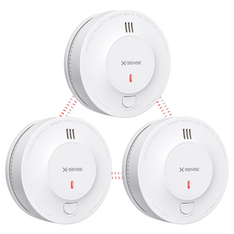
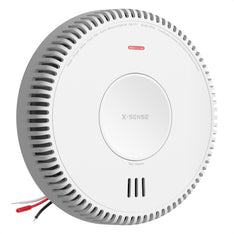
Heating equipment also requires extra attention. Space heaters, fireplaces, and cooking appliances should be used according to the manufacturer's guidelines and kept away from flammable materials. As a basic winter fire safety tip, smoke detectors should be tested regularly to ensure they are functioning properly. Reliable products like the X-Sense XS0B-MR smart smoke detector can issue a voice alert and send an instant notification to your phone when smoke concentration unexpectedly increases, helping you react quickly.
smart-wireless-interconnected-smoke-detector
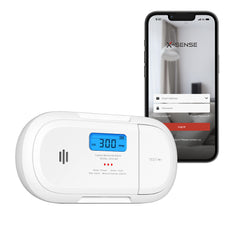
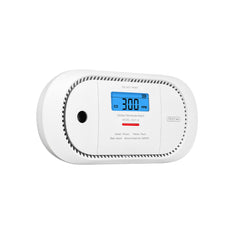
Carbon monoxide is another safety hazard unique to winter, especially in homes using oil-fired heaters. Installing a dedicated carbon monoxide alarm like the X-Sense XC01-M can effectively protect against this hidden threat.
xc01-m-smart-carbon-monoxide-alarm
For families seeking more comprehensive protection, combination devices like the X-Sense XP0A-iR smoke and carbon monoxide detector offer a practical approach to address a variety of indoor safety hazards while simplifying security management.
x-sense-wifi-smoke-and-co-detector-xp0a-ir
These steps support both comfort and fire safety tips for winter, without focusing on fear or worst-case scenarios.

How Can You Stay Safe Outdoors and While Traveling in Winter?
Outdoor conditions change dramatically during winter, making mobility more challenging. Snow and ice increase the risk of slips and falls, especially on untreated sidewalks, driveways, and stairs. Wearing footwear with good traction and allowing extra time for travel are simple yet effective winter safety measures.
Driving safety is another critical area. Cold temperatures affect road conditions, tire performance, and visibility. Many drivers follow the 7–7 rule for winter tires, which recommends switching to winter tires when the average daily temperature stays at or below 7°C (45°F) for seven consecutive days and ensuring sufficient tread depth for traction. Staying alert and adjusting driving habits are essential safety tips in winter, particularly during storms or early morning hours.
By adapting daily routines to winter conditions, individuals can significantly reduce outdoor risks without limiting their activities.
What Other Winter Risks Are Often Overlooked?
Beyond obvious hazards, winter introduces less visible risks that can still cause serious damage. Frozen pipes are a common issue in colder climates and may lead to leaks or flooding if not detected early. Keeping indoor temperatures stable and insulating exposed pipes can help prevent freezing.
Early detection plays a key role in minimizing damage. Water leak alarms such as the X-Sense SWS0A can alert homeowners to leaks before they escalate, offering peace of mind during extended cold spells.
x-sense-sws0a41-wireless-wifi-water-leak-detector-kit
In areas like garages or basements, where smoke detectors may not be suitable, a heat detector such as the X-Sense XH02-M provides targeted protection by responding to rapid temperature increases rather than smoke.
x-sense-smart-heat-alarm-xh02-m-with-10-year-sealed-battery
Addressing these less obvious safety topics for cold weather helps create a more comprehensive approach to winter safety.
What Are Simple Winter Safety Habits You Can Follow Every Day?
Consistent habits are often more effective than complex plans. Clearing snow promptly, checking alarms regularly, and paying attention to indoor conditions are practical winter safety tips that fit easily into daily routines.
Staying informed about weather changes, dressing appropriately, and maintaining awareness of indoor and outdoor risks all contribute to safer winter living. These everyday actions reinforce broader winter safety advice and help prevent small issues from becoming major problems.

Winter Safety FAQs
1. What are the 4 P's of winter safety?
The 4 P's of winter safety is keep people, pipes, pets and plants safe and warm.
2. What are the safety tips for winter?
They include preparing your home, using heating equipment safely, dressing for cold weather, monitoring indoor conditions, and adjusting travel habits.
3. What are the hazards of winter?
Common hazards include icy surfaces, cold-related health risks, fire hazards, carbon monoxide exposure, and water damage from frozen pipes.
4. What is the 7–7 rule for winter tires?
The rule recommends using winter tires when the average temperature remains at or below 7°C (45°F) for seven consecutive days.
Conclusion
Winter brings beauty and comfort, but it also requires thoughtful adjustments to daily habits. By understanding seasonal risks and applying practical winter safety tips, households can reduce hazards while continuing to enjoy the colder months.
Balanced winter safety advice, combined with awareness and preparation, supports a safer and more comfortable living environment. With the right approach, winter can remain a season of warmth, connection, and security.