Top Electrical Fire Safety Tips for Home Safety
Tue, Dec 09, 2025
In modern homes, electrical appliances have become indispensable. From home appliances to chargers and smart devices, they bring immense convenience to our daily lives. However, while we enjoy the comfort they offer, it’s equally important to stay aware of electrical fire safety. Even a small wiring fault or an overloaded socket can quickly lead to a dangerous fire. Fortunately, there are many effective ways to prevent electrical fires and keep your home safe.
Let's explore electrical fire safety together, understanding important warning signs, main causes, and the most effective electrical fire prevention strategies to ensure your home is fire-safe.
- What Is Electrical Fire Safety?
- What Are Signs of Electrical Fire?
- What Causes Electrical Fires in Homes?
- What Are the Basic Electrical Fire Safety Tips?
- What Are 5 Ways to Prevent an Electrical Fire?
- What Is the First Step in an Electrical Fire?
- How Do You Shut Off an Electrical Fire?
- What Not to Do During an Electrical Fire?
- When Should You Call for Professional Help?
- Conclusion
What Is Electrical Fire Safety?
Electrical fire safety refers to the practices and precautions that reduce the risk of fires caused by electrical sources. These include proper use of appliances, regular wiring maintenance, understanding your home’s electrical limits, and knowing what actions to take during an emergency.
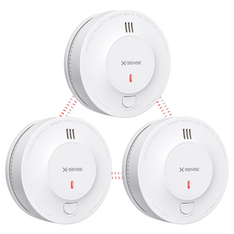
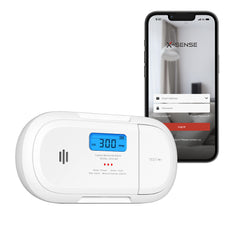
It also involves having reliable detection tools in place. For example, interconnected combined smoke and carbon monoxide detectors like the X-Sense SC07-W provide whole-home alerts, ensuring you hear the alarm no matter where a fire begins. Early detection is one of the most effective forms of fire safety.
sc07-w-wireless-interconnected-combination-smoke-and-carbon-monoxide-detector
Electrical fire safety is not just about responding to emergencies; it is about prevention, awareness, and consistent habits that minimize risk long before a fire starts.

What Are Signs of Electrical Fire?
Electrical fires can be difficult to predict and detect, but they often come with early warning signs. If you notice any of the following issues with your home's appliances or wiring, take action right away to prevent the problem from escalating:
- A burning or smoky smell, especially near outlets or appliances
- Outlets or switches that feel hot or appear discolored
- Frequent tripped breakers or blown fuses
- Lights that flicker or dim unexpectedly
- Buzzing or crackling sounds coming from outlets or wiring
- Sparks when plugging in devices
If you notice unusual odors or recurring electrical issues, take these signs seriously. Even minor symptoms can indicate overheating or a potential short circuit behind the walls. In such situations, scheduling a professional inspection is always a wise step and can help prevent a dangerous fire.
What Causes Electrical Fires in Homes?
Electrical fires usually stem from preventable issues. Some of the most common causes include:
1. Overloaded circuits and outlets
Connecting too many high-wattage devices to the same outlet or using power strips incorrectly increases heat buildup.
2. Faulty or aging wiring
Older homes may have outdated aluminum wiring or insufficient electrical capacity for modern usage. Damaged insulation and loose connections also create hazards.
3. Defective appliances
Poorly made or aging appliances can short-circuit internally.
4. Misused extension cords
Temporary extension cords become dangerous when used as permanent wiring.
5. Space heaters and high-heat devices
If placed too close to flammable items, these devices can start fires quickly.
Understanding these causes is the first step toward effective electrical fire prevention, helping you anticipate risks before they threaten your home.
What Are the Basic Electrical Fire Safety Tips?
In daily life, we can reduce the chances of fire through some simple measures, which are also important home safety solutions.
- Keep electrical appliances in good working order and replace damaged power cords immediately.
- Avoid plugging multiple high-power appliances into the same outlet.
- Keep flammable materials away from heaters or heat-generating appliances.
- Unplug appliances that are not in use, especially in rooms where they are rarely watched.
- Install smoke detectors and test them monthly to ensure they are functioning properly and can detect fires early.
Why are smoke detectors essential?
The purpose of detectors is to provide early warnings of fires, allowing people to take immediate action to prevent the fire from spreading. Especially during sleep hours, in areas where no one is home, or in multi-room dwellings, detectors are often the only devices that can promptly identify risks.
Furthermore, modern homes have more electrical appliances, resulting in higher electrical loads and increased potential hazards. Installing reliable detectors not only reduces fire damage but also provides long-term, stable safety for daily life.
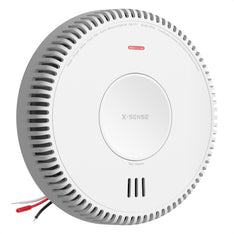
Smart wireless detectors like the X-Sense XS0B-MR, which support interconnectivity, provide peace of mind. When one detector detects danger and triggers an alarm, all connected devices throughout the house will simultaneously issue warnings, ensuring that any fire, no matter where it occurs, is detected immediately, further enhancing overall home safety. It also features a voice alarm function, capable of waking sleeping individuals and alerting them to the source of danger, even at night.
smart-wireless-interconnected-smoke-detector
What Are 5 Ways to Prevent an Electrical Fire?
Prevention is at the core of electrical fire safety. Here are five practical, effective strategies:
1. Schedule Regular Electrical Inspections
An electrician can identify overloaded circuits, outdated wiring, and unsafe installations that aren't visible to homeowners.

2. Replace Old Outlets and Switches
Loose connections generate heat and can lead to arcing, a major cause of electrical fires.
3. Use Surge Protectors
They help protect sensitive electronics from voltage spikes and reduce fire risk.
4. Keep Appliances Clean and Dust-Free
Dust buildup in heaters, electronics, and motors can ignite when heated.
5. Install Reliable Smoke and CO Alarms
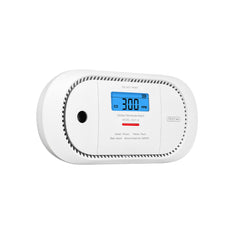
Combined smoke and carbon monoxide detectors identify both smoke and dangerous CO produced during combustion, providing early warnings of fire and helping prevent life-threatening emergencies.
What Is the First Step in an Electrical Fire?
If an electrical fire starts, your first priority is to stay safe and avoid direct contact with anything electrical. The safest first step is:
Disconnect the power - only if it is safe to do so.
Go to your home's electrical panel and switch off the main breaker. This stops the flow of electricity, preventing the fire from growing or reigniting.
If flames are already spreading or the breaker is difficult to access, do not risk injury. Focus on evacuating and calling emergency services.
How Do You Shut Off an Electrical Fire?
Shutting off an electrical fire requires the correct method. Using the wrong extinguisher or water can be extremely dangerous.
What you can use:
- Class C fire extinguisher
- Fire blankets for small appliance fires
- Cutting the power supply, if safe
What you should not use:
- Water
- Foam extinguishers not rated for electrical fires
Using water can cause electric shock and further ignite the fire.
What Not to Do During an Electrical Fire?
Avoid the following at all costs:
- Do not use water on an electrical fire.
- Do not attempt to move burning appliances.
- Do not touch outlets, cords, or plugs affected by flames.
- Do not re-enter the house until authorities confirm it is safe.
Electrical fires can behave unpredictably, especially in walls or ceilings. Always prioritize safety and call professionals when needed.
When Should You Call for Professional Help?
You should call an electrician or fire professional if:
- Breakers trip repeatedly
- You smell burning plastic or see smoke near outlets
- Lights flicker without explanation
- Your home has outdated wiring or limited electrical capacity
- You recently experienced a small electrical fire or overheating incident
Professionals can inspect wiring, upgrade circuits, and ensure your home meets safety standards. In addition, they can ensure your detection system, such as interconnected alarms, is properly installed and functioning.
Conclusion
Electrical fire safety is a combination of awareness, prevention, and preparedness. By learning the warning signs, practicing safe electrical habits, and knowing how to respond during an emergency, you can significantly reduce the risks in your home. Simple actions like avoiding outlet overloads, maintaining appliances, and installing reliable alarms make a lasting difference.
With practical electrical fire prevention measures and continuous attention to safety, you can protect your home, your belongings, and most importantly, your family.